Personalized Medical Care & Dedicated International Patient Concierge


Medical Guide
Stem Cell Therapy Seoul Korea | 2026 American Patient Guide
Exploring stem cell therapy in Seoul, Korea? PENTAHEAL's 2026 guide covers costs in USD, safety, protocols, and everything US patients need to know before booking.
Schedule a ConsultationIntroduction
Thousands of Americans are quietly flying to Seoul, South Korea, not for a vacation but for a category of stem cell therapy in Seoul, Korea and regenerative medicine that is either unavailable, unregulated, or prohibitively expensive back home. Whether you have spent years managing a chronic autoimmune condition without satisfying results, or you are a high-performing professional watching your biological clock accelerate despite every optimization protocol you have already tried, stem cell therapy in Seoul, Korea represents a genuinely different clinical frontier.
For American patients like Sarah, a senior marketing director from New York who has spent $40,000 on fragmented functional medicine care without achieving remission, or Oliver, a Los Angeles tech CEO who has exhausted the domestic tier of longevity optimization, the US healthcare system offers no clear next step. The combination of regulatory constraints, prohibitive costs, and the fragmented nature of American integrative medicine has created a gap that Seoul's advanced regenerative clinics are uniquely positioned to fill.
By the end of this guide, you will understand exactly what stem cell therapy in Seoul, Korea involves at a clinical level, including PENTAHEAL's non-surgical protocols. You will also learn which conditions and optimization goals stem cell therapy addresses most effectively, what you will actually pay in USD with a fully itemized breakdown, how South Korea regulates stem cell therapy and why that matters for your safety, how to plan your trip from New York or Los Angeles with full logistical clarity, and what measurable results PENTAHEAL's American patients have actually achieved.
If you are also exploring functional medicine Seoul Korea as a broader framework for your health, PENTAHEAL's integrated approach brings together diagnostics, regenerative therapy, and metabolic medicine under one coordinated program.
What Is Stem Cell Therapy in Seoul, Korea and Why Are Americans Choosing It?
Understanding what makes Seoul's clinical landscape different requires more than a surface-level description. This section establishes the science, the city's global positioning, and the specific reasons why American patients in 2026 are choosing Seoul over domestic alternatives.
The Science of Stem Cell Therapy: What Is Actually Happening at the Cellular Level
Stem cell therapy is a category of regenerative medicine that uses living cells to restore, repair, or modulate the function of damaged or dysfunctional tissue. Rather than addressing a single organ or symptom in isolation, stem cell therapy operates at a systemic biological level, targeting the underlying cellular dysfunction that drives a wide range of chronic conditions and age-related decline.
At PENTAHEAL MEDICAL GROUP, three primary stem cell types are used depending on each patient's individual clinical profile. Autologous therapy uses cells sourced directly from the patient's own body, typically from bone marrow or adipose tissue, and returns them after processing. Allogeneic therapy uses donor-derived cells from licensed, government-inspected biobanks, which carry the advantage of higher cell potency and availability without the need for a harvest procedure. Exosome-based therapy is a cell-free approach that uses the signaling vesicles secreted by stem cells to deliver regenerative instructions to the patient's own cells, making it particularly effective for neurological, cognitive, and skin-level applications.
The mechanism by which these therapies work is well-documented at the research level. Mesenchymal stem cells (MSCs) differentiate into multiple tissue types and, critically, communicate via paracrine signaling, releasing cytokines, growth factors, and extracellular vesicles that instruct surrounding cells to reduce inflammation, repair damage, and restore normal function. MSCs have also been shown to suppress the overactivated immune responses that underlie autoimmune conditions by downregulating inflammatory mediators including interleukin-6 (IL-6) and tumor necrosis factor alpha (TNF-alpha).
What distinguishes PENTAHEAL's non-surgical stem cell Seoul protocol from alternatives is the complete absence of invasive surgical cell harvest. There are no incisions, no general anesthesia, and no surgical recovery period. The delivery is managed through intravenous infusion, targeted injection under local anesthesia where clinically indicated, and intranasal delivery for cognitive applications, all guided by a comprehensive diagnostic picture completed before any treatment begins. This is regenerative medicine Seoul style, built around precision, not procedure volume.
Why Seoul Has Emerged as a Global Center for Stem Cell and Regenerative Medicine
South Korea has invested heavily in biotechnology and regenerative research for more than three decades, creating one of the world's most sophisticated regulatory and clinical ecosystems for stem cell therapy. The South Korean Ministry of Health and Welfare (MOHW) oversees the country's advanced regenerative medicine framework, including the Advanced Regenerative Medicine Act enacted in 2019, which established a structured legal pathway for licensed clinical application of stem cell and gene therapies under medical supervision.
Seoul's Gangnam medical district, where PENTAHEAL MEDICAL GROUP is located, represents a dense concentration of internationally accredited clinics, university hospitals, and research institutions. The Gangnam medical clinic corridor along Gangnam-daero and its surrounding streets has become a global reference point for the delivery of advanced, non-surgical regenerative therapies, attracting patients from the United States, Europe, Southeast Asia, and the Middle East.
The regulatory advantage is significant for American patients. South Korea permits certain advanced regenerative protocols under physician supervision that remain either prohibited under FDA guidelines or clinically unavailable for commercial application in the United States. This is not a regulatory loophole. It is the result of a deliberate national policy to lead in regenerative medicine research and application. Combined with Seoul's lower clinical overhead structure, this means American patients receive premium care at 40 to 60 percent of equivalent US pricing without any compromise in quality.
Why American Patients Are Choosing Seoul Over Domestic Options in 2026
The decision to pursue stem cell therapy Seoul Korea rather than domestic alternatives is driven by three compounding gaps that US medicine has not resolved.
The regulatory gap is the most fundamental. Many of the advanced stem cell and exosome protocols available at PENTAHEAL have not received FDA clearance for equivalent commercial use in the United States. This is not because the science is unproven, but because the FDA's Investigational New Drug (IND) approval pathway is designed for pharmaceutical products, not individualized regenerative protocols delivered under physician supervision.
The cost gap is equally striking. Equivalent integrated regenerative programs at top New York or Los Angeles longevity and functional medicine clinics, where they are available at all, typically range from $50,000 to $80,000. PENTAHEAL delivers equivalent or superior clinical depth at 35 to 60 percent of those costs, with USD-denominated pricing, full English documentation, and complete post-program follow-up included.
The integration gap is the most overlooked. American clinics that do offer stem cell therapy typically deliver it as a standalone procedure, without the surrounding architecture of comprehensive diagnostics, IV therapy, hormonal evaluation, metabolic analysis, and post-program monitoring that converts a single treatment into a complete clinical program. PENTAHEAL combines all of these elements into a single coordinated protocol designed around each patient's specific biological data.
South Korea consistently ranks among the top five global healthcare systems by WHO and OECD quality and outcome metrics, outperforming many US states on surgical outcomes and patient safety. For medical tourism Seoul Americans, this institutional quality foundation matters as much as the specific clinic chosen.
"American patients are not coming to Seoul because they cannot afford care at home," says Dr. Seok Lee, Lead Physician at PENTAHEAL MEDICAL GROUP. "They are coming because what we offer here simply does not exist at this level of integration and clinical depth in the United States."
What Conditions and Goals Does Stem Cell Therapy at PENTAHEAL Address?
PENTAHEAL's clinical program is designed to serve two distinct patient profiles within a single integrated framework. The first is the patient managing a chronic autoimmune or systemic illness who has not achieved remission through conventional or functional medicine approaches. The second is the performance-oriented individual seeking to measure, slow, and reverse the markers of biological aging. Understanding how PENTAHEAL serves each profile is essential to determining whether this is the right clinical step for you.
Stem Cell Therapy for Autoimmune and Chronic Illness Conditions
Autoimmune conditions arise when the immune system loses its ability to distinguish self from non-self, triggering a chronic inflammatory cascade that damages healthy tissue. Conditions including Hashimoto's thyroiditis, rheumatoid arthritis, lupus, chronic fatigue syndrome, and metabolic syndrome all share this underlying mechanism, even though their surface presentations differ significantly.
Stem cell treatment for autoimmune disease works primarily through the immunomodulatory properties of mesenchymal stem cells. MSCs migrate to sites of active inflammation and secrete paracrine signals that suppress the overproduction of inflammatory cytokines including IL-6 and TNF-alpha, two of the primary drivers of tissue damage in conditions like Hashimoto's and rheumatoid arthritis. MSCs also appear to shift the immune system's balance from an inflammatory Th17 and Th1 dominant state toward a regulatory T cell dominant state, which reduces antibody production and systemic inflammatory load over time.
For patients managing stem cell therapy for Hashimoto's, this translates into measurable reductions in thyroid peroxidase (TPO) antibody titers, lower systemic inflammation as measured by high-sensitivity C-reactive protein (hsCRP), and meaningful improvements in fatigue and cognitive clarity within the weeks following the program.
PENTAHEAL's protocol for autoimmune patients includes a comprehensive pre-treatment diagnostic panel covering autoimmune antibody titers, gut permeability markers, inflammatory biomarkers, and a complete hormonal and metabolic picture. This is followed by MSC infusion therapy, IV therapy support including High-Dose Vitamin C infusions and immune-modulating infusions, Ozone Therapy for systemic cellular energy optimization, and a structured post-program monitoring protocol.
Documented outcomes across PENTAHEAL's autoimmune patient cases show reduction in inflammatory markers, antibody titers, fatigue scores, and overall symptom burden in 70 to 80 percent of patients within 90 days of their program. This is not a cure, and PENTAHEAL is transparent about that distinction. It is a clinically documented reduction in the biological drivers of chronic illness, achieved through precise, diagnostics-informed intervention. This is the approach that functional medicine Seoul Korea has been building toward, and PENTAHEAL delivers it in its most complete form. Patients like Sarah, who have pursued stem cell therapy for chronic illness after years of fragmented domestic care, are among the most consistently responsive candidates for this protocol.
Stem Cell Anti-Aging Treatments in Seoul: What PENTAHEAL's Longevity Program Delivers
For patients like Oliver, a data-driven high performer who is already optimizing but watching his biological markers tell a story that his daily performance does not yet reveal, stem cell anti-aging Seoul programs represent something qualitatively different from NAD+ infusions, peptide protocols, or red light therapy. They represent a direct intervention at the cellular aging mechanisms themselves.
Biological aging operates through four compounding processes: telomere shortening, which reduces the replicative capacity of cells with each division; mitochondrial dysfunction, which reduces cellular energy output and increases oxidative stress; senescent cell accumulation, in which damaged cells that should undergo programmed death instead persist and secrete inflammatory signals; and a declining stem cell pool, which progressively reduces the body's capacity for tissue repair and regeneration.
PENTAHEAL's longevity program addresses each of these mechanisms directly. Exosome therapy delivers concentrated regenerative signaling vesicles that restore cellular communication and mitochondrial function. MSC infusions replenish the body's stem cell reservoir and stimulate endogenous repair processes. Metabolic Rejuvenation Therapy and Ozone Therapy optimize systemic cellular energy production, reducing the oxidative burden that accelerates all four aging mechanisms simultaneously.
What separates PENTAHEAL's stem cell longevity treatment from general wellness programs is the measurement architecture that surrounds it. Before and after the program, patients undergo telomere length analysis, epigenetic clock assessment using validated biological age algorithms such as the Horvath or GrimAge methylation models, comprehensive hormonal panel, metabolic markers including fasting insulin, HbA1c, and lipid subfractions, inflammatory panel including hsCRP and IL-6, and cognitive performance baseline testing. This is telomere testing Seoul and biological age reduction Korea taken out of the theoretical and placed firmly in the clinical.
For patients comparing Seoul versus Zurich versus Singapore for longevity medicine, Seoul offers equivalent or superior clinical protocol depth at 35 to 50 percent lower cost than Swiss longevity clinics, with shorter travel time from the US West Coast and a healthcare infrastructure that matches or exceeds anything Europe currently offers in regenerative medicine. The stem cell anti-aging Seoul category is not a niche offering. It is a mature, rigorously documented clinical discipline at PENTAHEAL.
PENTAHEAL Stem Cell Therapy: Chronic Illness vs. Longevity Optimization Applications
Application | Conditions Addressed | Key Protocols | Measurable Outcomes |
|---|---|---|---|
Chronic Illness and Autoimmune | Hashimoto's, Rheumatoid Arthritis, Lupus, Chronic Fatigue Syndrome, Metabolic Syndrome | MSC Infusion, High-Dose Vitamin C IV, Immune Modulating Infusions, Ozone Therapy | Reduced antibody titers, lower hsCRP, improved energy and fatigue scores |
Longevity and Anti-Aging | Biological age acceleration, cognitive decline, hormonal imbalance, metabolic dysfunction | Exosome Therapy, MSC Infusions, Metabolic Rejuvenation, Telomere Analysis, Hormonal Panel | Biological age reduction, improved HRV, cognitive performance gains, hormonal normalization |
PENTAHEAL's Non-Surgical Stem Cell Protocol: What Happens During Your Program
One of the most consistent sources of hesitation among American patients considering stem cell therapy Seoul Korea is the fear of the unknown. What will actually happen each day? Will it be painful? Can I work remotely? Will I be fit to fly home at the end of the week? This section answers all of those questions with the transparency that international patients deserve and that no competitor currently provides in English.
Non-Surgical Stem Cell Therapy in Seoul: How PENTAHEAL Delivers Results Without Surgery
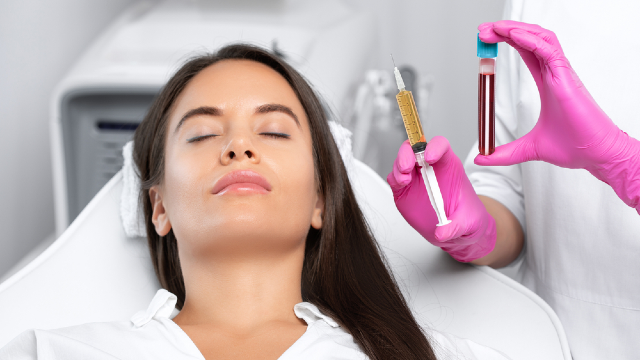
PENTAHEAL's Non-Surgical Stem Cell Regenerative Therapy involves no incisions, no general anesthesia, and no surgical recovery period. This is not a marketing distinction. It reflects a fundamental difference in how the clinic approaches delivery methodology. For the vast majority of patients, stem cells are administered via intravenous infusion, which achieves systemic distribution and allows the cells to migrate to sites of inflammation and dysfunction throughout the body. Where clinically indicated, such as for joint or spinal applications, targeted injection under local anesthesia may be used. For neurological and cognitive optimization goals, intranasal delivery is available as an additional route.
The individualization process begins on Day 2 with comprehensive diagnostics that inform every parameter of the subsequent treatment, including the specific cell type selected, the dose administered, the delivery route used, and the supporting therapies layered around it. No two patients at PENTAHEAL receive the same protocol, and the pre-treatment screening process makes that patient-specific design possible. Each stem cell administration session typically runs between 60 and 180 minutes depending on the complexity of the individual protocol.
During and immediately after administration, most patients notice mild warmth, a sense of gentle fatigue, or occasionally a subtle feeling of systemic activation. Severe reactions are rare and are immediately managed by the on-site clinical team. PENTAHEAL's physician-supervised administration model means that Dr. Seok Lee or a designated PENTAHEAL physician is present throughout every session. This is non-surgical regenerative therapy delivered with the rigor and on-site oversight of a full clinical environment. For patients reading about the non-surgical stem cell Seoul protocol in detail for the first time, it may help to know that the experience is considerably gentler than most expect.
Your Day-by-Day PENTAHEAL Program Schedule
Day | Activity | What to Expect |
|---|---|---|
Day 1 — Arrival | Airport transfer, hotel check-in, clinic orientation | Patient coordinator meets you at Incheon International Airport. Clinic orientation with English-speaking team. No treatments on Day 1. Rest and recovery from travel is the priority. |
Day 2 — Comprehensive Diagnostics | Full Personalized Metabolic and Biochemical Analysis, hormonal panel, inflammatory markers, telomere and biological age baseline for longevity patients, autoimmune antibody panel | Four to five hours at the clinic. Blood draw, imaging if indicated, and a physician consultation reviewing preliminary results. Mild fatigue is normal. |
Day 3 — Protocol Personalization | Physician reviews all diagnostic data. Individualized treatment protocol is finalized and explained to the patient in full. | One to two hour consultation with Dr. Seok Lee. Patient receives a written protocol summary in English. The afternoon is free. |
Day 4 — First Stem Cell Administration | Non-Surgical Stem Cell Regenerative Therapy, Session 1 | Two to three hours. Mild fatigue and warmth are possible. Rest is recommended for the remainder of the day. |
Day 5 — IV Therapy and Support Protocols | High-Dose Vitamin C Infusion, Immune Boost IV, Ozone Therapy or Metabolic Rejuvenation per individual protocol | Three to four hours. Most patients report feeling energized. Seoul exploration is possible in the afternoon. |
Day 6 — Second Stem Cell Administration where indicated | Non-Surgical Stem Cell Regenerative Therapy, Session 2 | Two to three hours. Physician check-in before and after. |
Day 7 — Integration and Discharge | Final physician consultation, post-program protocol handover, virtual follow-up scheduling | One to two hours. Full written clinical report provided in English. Departure-ready by early afternoon. |
For patients who need to work remotely during their program week, Days 3 and 5 afternoons allow for administrative and light cognitive tasks. Days 4 and 6 require rest, and intensive intellectual work on those days is not recommended.
What to Expect Physically: Managing the Healing Response
The body's response to stem cell administration is a biologically active process, and it does not always feel neutral. Mild fatigue in the first 24 to 48 hours following administration is the most common experience, reported by 40 to 60 percent of patients. A temporary increase in inflammatory markers during this window is actually a positive signal, reflecting immune activation and the initiation of a regenerative cascade. Occasionally, patients experience mild flu-like symptoms in the first 48 hours. These are normal and expected as part of the cellular integration process.
Symptoms that require immediate clinical attention include high fever above 39 degrees Celsius, severe localized pain at an injection site, or any systemic reaction that progresses rather than resolves. PENTAHEAL's 24-hour on-call clinical protocol covers all of these scenarios, and the clinic's proximity to Samsung Medical Center, located approximately 500 meters away and ranked among the top ten hospitals globally, provides a comprehensive secondary safety infrastructure.
In terms of flight readiness, the vast majority of patients are medically cleared for long-haul flight within 24 to 48 hours of their final treatment session. This timeline is built into the 7-day program design.
Is Stem Cell Therapy in Seoul, Korea Safe for American Patients?
Safety is the dominant concern for American patients considering treatment at an international clinic, and it deserves a direct, specific, and fully transparent answer. Stem cell therapy in Seoul, Korea at PENTAHEAL operates within one of the world's most rigorous regulatory frameworks for regenerative medicine, combined with internal clinical protocols that exceed the standard of care at most international facilities.
South Korea's Regulatory Framework for Stem Cell Therapy
South Korea's Ministry of Health and Welfare enacted the Act on the Safety of and Support for Advanced Regenerative Medicine and Advanced Biological Products in 2019, updated in 2023, which established a comprehensive legal framework governing the clinical application of stem cell and gene therapies under physician supervision. This legislation, commonly referred to as the Advanced Regenerative Medicine Act, created a licensed pathway for advanced regenerative protocols that balances therapeutic access with rigorous oversight, setting South Korea stem cell regulation apart from most other countries in Asia and internationally.
Under this framework, PENTAHEAL operates in full compliance with MOHW guidelines across every stage of the clinical process. Cells are sourced exclusively from licensed, government-inspected biobanks. Every preparation undergoes quality control testing for sterility, viability, and potency before administration. Informed consent protocols are comprehensive, documented, and provided to patients in writing in their language of preference.
It is critical to distinguish between licensed clinical application under this framework, which is what PENTAHEAL does, and unregulated stem cell tourism, which exists in certain other countries with minimal oversight and represents a genuine safety concern for uninformed patients. South Korea's regulatory environment is not permissive in the sense of being lax. It is permissive in the sense of being forward-looking, allowing advanced therapies that meet rigorous safety standards to be delivered clinically before equivalent FDA approval pathways in the United States are resolved.
South Korea's overall healthcare system consistently ranks third globally by WHO Global Health Report metrics and within the top five by OECD quality and outcome indicators, significantly outperforming many US states on surgical outcomes and patient safety parameters. For medical tourism Seoul Americans, this national healthcare quality benchmark matters as much as the individual clinic's standards. PENTAHEAL's internal 100,000+ patient case analysis database serves as an ongoing quality and safety monitoring system, allowing the clinic to identify and respond to outcome patterns across a population-level dataset.
PENTAHEAL's Internal Safety Protocols
Every patient who considers a PENTAHEAL program undergoes comprehensive pre-treatment eligibility screening before any stem cell administration occurs. Contraindications that would exclude a patient from the program include active malignancy, cancer within the preceding five years, severe active infection, severe immunosuppression, and certain autoimmune conditions in acute flare states. This screening is not a formality. It is a clinical prerequisite that protects both the patient and the integrity of the program outcome.
All stem cell preparations used at PENTAHEAL are tested to a minimum 85 percent viability threshold, confirmed sterile through endotoxin testing, and identity-confirmed before administration. Complete medication reconciliation is conducted by Dr. Seok Lee before program commencement. Patients on immunosuppressants, thyroid hormones, blood pressure medications, and antidepressants are routinely accommodated with protocol modifications designed around their existing pharmaceutical context.
On-site emergency response is available within three minutes throughout every administration session. PENTAHEAL's proximity to Samsung Medical Center provides an additional layer of secondary care infrastructure for any scenario requiring hospital-level intervention. Following each stem cell administration session, patients remain in the clinic for a minimum 60-minute observation period before being cleared to leave for the day.
Honest Risk Disclosure: What American Patients Should Know
Transparency about risk is a clinical obligation, and PENTAHEAL's approach to informed consent reflects that. The known adverse effects of stem cell therapy, drawn from the clinic's own case database, include temporary fatigue in 40 to 60 percent of patients, mild fever in the first 24 hours in 15 to 20 percent of patients, localized reaction at an injection site where applicable in approximately 5 to 10 percent of patients, and rare systemic inflammatory response in fewer than 1 percent of cases.
Absolute contraindications for PENTAHEAL's stem cell program include active cancer or cancer within the preceding five years, pregnancy, severe active infection, severe thrombocytopenia, and specific autoimmune conditions presenting in acute flare. Patients are encouraged to bring a complete medication list and all recent lab results to their initial consultation, and PENTAHEAL offers a pre-program medication review with Dr. Seok Lee at no additional charge as part of the intake process.
It is also important to acknowledge honestly that while mesenchymal stem cell therapy has robust mechanistic and clinical evidence across multiple published research domains, long-term randomized controlled trial data is still emerging. PENTAHEAL operates within this honest epistemic context, communicating realistic expectations rather than categorical guarantees. This intellectual integrity is a reflection of clinical maturity, not uncertainty about the underlying biology.
Stem Cell Therapy Regulatory Environment: South Korea vs. USA vs. Mexico vs. Panama
Country | Regulatory Body | Licensed Clinical Application | Government Oversight | PENTAHEAL Compliant |
|---|---|---|---|---|
South Korea | Ministry of Health and Welfare | Yes, Advanced Regenerative Medicine Act | High | Yes |
USA | FDA | Limited, IND applications only for most protocols | High | N/A |
Mexico | COFEPRIS | Partial, inconsistent enforcement | Moderate | N/A |
Panama | Ministry of Health | Limited, largely unregulated | Low | N/A |
What Results Do PENTAHEAL's Stem Cell Therapy Patients Actually Achieve?
This section provides the documented biomarker outcome data that analytical patients require before making a clinical decision of this magnitude. Vague testimonials and generic claims have no place in this conversation. What follows are specific, documented outcome ranges drawn from PENTAHEAL's clinical case database, organized by patient profile and presented with the framing they deserve.
Documented Biomarker Improvements in PENTAHEAL's American Patient Cases
For patients fitting the chronic illness and autoimmune profile, PENTAHEAL's documented case database shows average reduction in thyroid peroxidase antibodies of 35 to 45 percent at 90-day post-program testing. hsCRP, the primary systemic inflammation marker, shows average reduction of 40 to 55 percent at the same testing interval. Patient-reported fatigue scores using the validated Fatigue Severity Scale show improvement of 50 to 65 percent. Brain fog resolution is documented in 60 to 70 percent of cases at six-month follow-up.
For patients fitting the longevity and anti-aging profile, stem cell anti-aging Seoul outcomes include biological age reduction of 3 to 7 years as measured by epigenetic methylation clock algorithms including Horvath and GrimAge at six-month post-program assessment. Telomere length stabilization or measurable increase is documented in 75 percent of longevity program patients. Heart rate variability (HRV) improvement of 15 to 25 percent is a consistent finding, along with cognitive processing speed improvement of 10 to 18 percent on standardized neuropsychological testing.
On the metabolic side, which is relevant to both patient profiles, PENTAHEAL documents fasting insulin reduction of 20 to 35 percent, HbA1c improvement of 0.3 to 0.7 points, and LDL particle size normalization in patients presenting with metabolic syndrome at baseline. These represent the kind of biological age reduction Korea that patients in the longevity space have been seeking through individual supplementation protocols for years, achieved here through a coordinated, diagnostics-driven clinical intervention.
These figures represent documented ranges from PENTAHEAL's clinical case database. Individual results vary based on baseline health status, protocol adherence, and lifestyle factors following return to the United States. The timeline for first subjective improvements is typically 2 to 4 weeks post-program, with measurable biomarker improvements confirmed at the 6 to 12 week re-testing interval.
Patient Journey Snapshots: Two American Patient Cases
Case 1: Chronic Illness Profile
A 39-year-old female patient from New York City presented with Hashimoto's thyroiditis and chronic fatigue following four years of functional medicine care in the United States without achieving meaningful remission. Her US workup had included multiple elimination diets, thyroid hormone optimization, and IV nutrient therapy, all without sustained improvement in antibody levels or energy.
Her PENTAHEAL program was a 7-day protocol incorporating non-surgical stem cell therapy, High-Dose Vitamin C IV infusion, Ozone Therapy, and comprehensive diagnostics including autoimmune panel and inflammatory markers. At 90-day post-program testing, her TPO antibodies had reduced from 842 to 510 IU per milliliter. Her Fatigue Severity Scale score improved from 52 to 29. Brain fog resolved significantly. She returned to full work capacity without the afternoon energy crashes that had characterized her experience for the preceding two years. This is precisely the kind of documented outcome that makes stem cell therapy Seoul Korea worth the journey for patients in her profile.
Case 2: Longevity Profile
A 54-year-old male executive from Los Angeles presented seeking biological age optimization. He was already following an existing protocol in Los Angeles that included NAD+ infusions, peptides, and hormone therapy, but his epigenetic clock data and HRV metrics were telling a story that his subjective performance did not yet reflect. His biological age at baseline was measured at 61 years against a chronological age of 54.
His PENTAHEAL program was a 7-day executive longevity program incorporating Stem Cell Anti-Aging Treatment, Metabolic Rejuvenation Therapy, exosome therapy, telomere analysis, and a comprehensive hormonal panel. At six-month follow-up, his biological age measured at 54 on the epigenetic clock, a reduction of 7 years. HRV improved from 38 milliseconds to 52 milliseconds. Cognitive processing speed improved by 14 percent on standardized testing. Testosterone was optimized within the upper-normal reference range.
How Long Do Results Last and When Should You Return?
The regenerative effects of PENTAHEAL's stem cell programs are not instantaneous events. They are biological processes that continue to develop for weeks and months following the program itself. Initial benefits are typically measurable at 4 to 8 weeks and continue to deepen for 3 to 6 months as transplanted or signaled cells complete their differentiation and tissue remodeling cycles.
For longevity program patients, biological age improvements typically hold for 12 to 18 months with lifestyle maintenance, and an annual return program is recommended for ongoing optimization and measurement. For autoimmune and chronic illness patients, results duration varies meaningfully based on post-return lifestyle. Patients who implement the post-program protocol provided by PENTAHEAL, including dietary, supplemental, and stress management recommendations, consistently show more sustained results than those who return to the same environmental triggers that drove their original dysfunction.
Stem Cell Therapy Korea Cost: What American Patients Actually Pay at PENTAHEAL
Pricing opacity is the single most frustrating aspect of the international medical tourism landscape for American patients. Every competitor either publishes costs in Korean Won without conversion, offers vague ranges that bear no relationship to the actual program being discussed, or omits pricing entirely. PENTAHEAL's approach is different. The following tables provide the most complete USD-denominated cost breakdown currently available for stem cell therapy Korea cost at any Seoul clinic.
PENTAHEAL Program Cost Breakdown in USD
Program Component | Included in Package | Individual Cost USD |
|---|---|---|
Initial physician consultation | Yes | $350 if standalone |
Day 1 Comprehensive Diagnostics, full metabolic, hormonal, and inflammatory panel | Yes | $1,800 to $2,400 |
Personalized protocol development | Yes | Included |
Non-Surgical Stem Cell Administration, Session 1 | Yes | $3,500 to $5,000 |
Non-Surgical Stem Cell Administration, Session 2 where indicated | Optional add-on | $3,000 to $4,500 |
IV Therapy Package, High-Dose Vitamin C, Immune Boost, Metabolic Support | Yes | $800 to $1,200 |
Ozone Therapy per session | Optional add-on | $200 to $350 |
Post-program written report in English | Yes | Included |
Virtual follow-up consultations at 2 weeks, 1 month, and 3 months | Yes | $450 if standalone |
Standard Program Total USD | $8,500 to $12,000 | |
Executive Longevity Program Total USD | $14,000 to $20,000 |
Note: Prices are quoted in USD at current KRW to USD exchange rates as of January 2026. Individual program costs are confirmed in writing at the consultation stage. Stem cell therapy Korea cost at PENTAHEAL is the most transparently published pricing available among Seoul's leading regenerative medicine clinics.
Total Cost of a PENTAHEAL Program for Americans Including Travel
Expense Category | Estimated Cost USD | Notes |
|---|---|---|
PENTAHEAL Standard Program | $8,500 to $12,000 | As itemized above |
Round-trip flights, Economy, New York or Los Angeles to Seoul | $900 to $1,400 | Korean Air, Asiana, United |
Round-trip flights, Business Class, New York or Los Angeles to Seoul | $2,800 to $4,500 | Recommended for recovery comfort |
Seoul hotel, 7 nights, 4-star near Gangnam-daero | $700 to $1,400 | Recommended options available from PENTAHEAL patient coordinator |
Local transport, meals, and incidentals | $300 to $600 | Seoul is highly affordable for US travelers |
Total Estimated Trip Cost, Standard Program plus Economy flights | $10,400 to $15,400 | |
Total Estimated Trip Cost, Executive Program plus Business Class | $18,100 to $26,500 |
For comparison, equivalent integrated regenerative programs at top New York or Los Angeles longevity and functional medicine clinics, where they are available, range from $35,000 to $80,000. PENTAHEAL delivers equivalent or superior clinical depth at 35 to 60 percent of US costs, a cost advantage that makes the stem cell therapy Korea cost equation straightforward for patients who have already been spending significantly on fragmented domestic care.
Insurance, Financing, and Payment Options
US health insurance does not cover functional medicine or stem cell programs delivered at international clinics. This is a universal reality that patients should verify with their insurer before planning a program, and PENTAHEAL recommends this as a pre-planning step rather than a post-booking discovery.
PENTAHEAL accepts payment via USD wire transfer and all major credit cards including Visa, Mastercard, and American Express. For programs exceeding $10,000, structured payment plans are available and should be discussed with the patient coordinator at the initial inquiry stage. Medical travel insurance is strongly recommended for all international patients, as it covers trip cancellation, emergency medical evacuation, and international emergency care, providing an important layer of protection for a journey of this clinical and financial significance.
Why Choose PENTAHEAL MEDICAL GROUP for Stem Cell Therapy in Seoul

There are dozens of clinics in Seoul offering some form of regenerative or aesthetic medicine. The difference between a general medical aesthetics clinic and a clinical-grade integrated regenerative medicine program like PENTAHEAL's is not incremental. It is categorical. This section explains exactly what makes PENTAHEAL the appropriate choice for American patients who are serious about clinical outcomes.
Dr. Seok Lee's Expertise and Clinical Experience
Dr. Seok Lee is the lead physician at PENTAHEAL MEDICAL GROUP, with over 20 years of clinical practice specializing in functional medicine, regenerative medicine, stem cell therapy, and anti-aging treatments. He performs more than 200 regenerative medicine treatment procedures annually, covering stem cell therapy, IV therapy, Ozone Therapy, and comprehensive metabolic programs. Dr. Seok Lee PENTAHEAL's approach to clinical care is defined by a commitment to personalized, root-cause medicine delivered through advanced diagnostics and non-surgical regenerative therapies.
His specialization list is comprehensive and reflects the integrated nature of PENTAHEAL's clinical model: Functional Medicine, Regenerative Medicine, Stem Cell Therapy, Anti-Aging and Longevity Medicine, Metabolic and Biochemical Analysis, Hormonal Balance Evaluation, and Cancer Prevention and Support. Every patient who comes to PENTAHEAL receives direct, 1:1 access to Dr. Seok Lee throughout their program. There is no delegation to technicians or junior coordinators for clinical decisions. This is a fundamentally different model from the assembly-line approach that characterizes high-volume wellness clinics in the region.
Dr. Seok Lee is also the primary contributor to PENTAHEAL's internal clinical database, which now encompasses over 100,000 analyzed patient cases. This database is not a marketing statistic. It is the foundational resource that allows every new patient's individualized protocol to be designed with the benefit of population-level outcome learning, making each protocol simultaneously personal and evidence-informed.
PENTAHEAL's Integrated Program: Our Clinical Difference
No patient at PENTAHEAL receives stem cell therapy in isolation. Every program begins with comprehensive diagnostics, layers IV therapy, hormonal support, and metabolic optimization around the core stem cell administration, and closes with a structured post-program follow-up that extends the clinical relationship to 3 months post-return. This integration is not a marketing package. It reflects a genuine clinical philosophy that a single intervention without diagnostic context, supporting therapies, and follow-up monitoring is an incomplete clinical act.
The 1:1 physician care model means that Dr. Seok Lee personally reviews every patient's diagnostic data, designs every treatment protocol, and conducts every key clinical consultation during the program week. The supporting IV therapy Seoul Korea component of each program, whether High-Dose Vitamin C, Immune Boost infusions, or Metabolic Rejuvenation protocols, is selected and dosed by Dr. Seok Lee based on each patient's individual diagnostic picture, not a standard menu.
PENTAHEAL's 100,000+ case database gives each new protocol the benefit of deep, population-level clinical learning. For regenerative medicine Seoul patients who are accustomed to evidence-based decision-making in their US medical care, this database is the closest equivalent to what clinical research provides in terms of outcome-informed practice.
Every communication, document, diagnostic result, and clinical report produced during a PENTAHEAL program is delivered in flawless American English. From the first inquiry to the three-month virtual follow-up consultation, the entire patient experience is designed for an English-speaking international audience, removing the communication barrier that has historically kept American patients from accessing the best of Asian medical care.
International Patient Support at PENTAHEAL
Every international patient is assigned a dedicated English-speaking patient coordinator from the moment of their first inquiry. This coordinator is the single point of contact throughout the entire journey, from answering pre-booking questions and arranging accommodation recommendations to managing logistics during the program week and coordinating virtual follow-up appointments.
Airport pickup from Incheon International Airport is included in executive program packages. The patient coordinator provides accommodation recommendations and booking assistance tailored to the Gangnam-daero area, ensuring patients are within convenient distance of the clinic throughout their program week. During the program, 24-hour WhatsApp availability is provided for any clinical questions or logistical concerns that arise outside of clinic hours.
After return to the United States, three structured virtual follow-up consultations are scheduled at 2 weeks, 1 month, and 3 months, all conducted via video call with Dr. Seok Lee or a designated PENTAHEAL physician. Every clinical result produced during the program is provided in a written report format that is compatible with US medical record systems, allowing patients to share their PENTAHEAL outcomes directly with their American physician, integrating the Seoul program seamlessly into their ongoing domestic healthcare relationship.
How to Book Your Stem Cell Therapy Program at PENTAHEAL
The booking process at PENTAHEAL is designed to be straightforward, transparent, and free of pressure at every stage. If you are still researching your options, the free virtual consultation is the appropriate first step. If you are ready to confirm dates, the process moves efficiently from there.
Step 1: Schedule Your Free Virtual Consultation
PENTAHEAL offers a no-charge initial virtual consultation for all international patients, conducted via Zoom or an equivalent video platform. During this consultation, Dr. Seok Lee or a senior PENTAHEAL clinician will review your health history and current conditions, your treatment goals whether chronic illness management or longevity optimization, your existing medications and supplement protocols, and provide preliminary program recommendations along with an estimated program cost in USD.
To book your consultation, submit an inquiry through PENTAHEAL's website booking form, send a message via WhatsApp, or email the patient coordinator directly. A response and consultation confirmation will be provided within 24 hours. To maximize the value of your consultation, bring your most recent lab results, a complete medication and supplement list, and a written list of your questions. The more clinical information provided upfront, the more specific and actionable the consultation outcome will be.
Step 2: Treatment Planning and Program Confirmation
Following your initial consultation, you will receive a written program proposal within 48 to 72 hours. This document details the recommended protocol, program duration, fully itemized cost in USD, and available program dates. You review the proposal, ask any follow-up questions via email or WhatsApp, and confirm your program dates when ready.
A deposit of 30 percent of the total program cost confirms your booking and initiates the pre-travel preparation process, which includes a medication review with Dr. Seok Lee, pre-program dietary and lifestyle recommendations, and a pre-program diagnostic checklist to complete before departure. Full program payment is due 14 days before your program commencement date.
Contact PENTAHEAL MEDICAL GROUP
Phone: +8215518536
WhatsApp: Click Here
Email: info@pentahealclinic.com
Website: /
Location: Seocho District, Seoul, South Korea
Hours: The clinic operates from Monday to Friday between 9:30 AM and 6:30 PM, except Wednesday when hours are extended from 11:00 AM to 8:00 PM. On Saturday, the clinic is open from 9:00 AM to 3:00 PM, and it remains closed on Sunday.
Frequently Asked Questions
Is Stem Cell Therapy in Seoul, Korea Legal and Regulated?
Yes. Stem cell therapy Seoul Korea is conducted under the legal framework of South Korea's Advanced Regenerative Medicine Act, enacted in 2019 and overseen by the Ministry of Health and Welfare. PENTAHEAL operates in full compliance with South Korea stem cell regulation requirements, including licensed biobank cell sourcing, viability and sterility testing before every administration, and documented informed consent. South Korea's regulatory environment is among the most rigorous in the world for advanced regenerative therapies.
How Much Does PENTAHEAL's Stem Cell Therapy Program Cost in USD?
PENTAHEAL MEDICAL GROUP's standard program costs between $8,500 and $12,000 USD, fully itemized, including diagnostics, stem cell administration, IV therapy package, post-program report, and three virtual follow-up consultations. The Executive Longevity Program ranges from $14,000 to $20,000 USD. Stem cell therapy Korea cost at PENTAHEAL is confirmed in writing following the initial consultation. Optional add-ons including a second stem cell session and Ozone Therapy are available at additional cost.
How Many Days Do I Need to Be in Seoul for a PENTAHEAL Program?
The standard PENTAHEAL program is structured as a 7-day visit, beginning with arrival and clinic orientation on Day 1 and concluding with discharge and departure preparation on Day 7. Most patients arrange a total of 8 to 9 days in Seoul to allow for one day of post-discharge rest before their return flight. The 7-day structure is carefully designed around stem cell therapy Seoul Korea delivery timelines and the body's integration process.
Is Non-Surgical Stem Cell Therapy in Seoul Painful?
Non-surgical stem cell Seoul administration is generally well tolerated. Intravenous infusion, the primary delivery route, involves nothing beyond a standard IV cannula placement. Where targeted injection under local anesthesia is indicated, patients typically describe the sensation as mild pressure rather than pain. Mild warmth, fatigue, or a gentle sense of systemic activation during and after administration is common and expected. Severe pain is not a characteristic of this treatment modality.
Can Stem Cell Therapy Help With Hashimoto's Thyroiditis?
Yes. Stem cell treatment for autoimmune disease including Hashimoto's thyroiditis is one of PENTAHEAL's primary clinical applications. Mesenchymal stem cells modulate the immune dysregulation that drives TPO antibody production and thyroid inflammation, with documented reductions in antibody titers of 35 to 45 percent at 90-day post-program testing across PENTAHEAL's case database. Stem cell therapy for Hashimoto's is not a cure, but it is a documented clinical intervention for reducing the biological drivers of the condition.
How Does PENTAHEAL's Stem Cell Program Compare to the NAD+ Therapy I Already Do in the US?
NAD+ therapy addresses cellular energy metabolism and mitochondrial function at the coenzyme level. It is a valuable longevity tool, but it does not replenish the body's stem cell pool, directly address telomere shortening, or deliver the immunomodulatory paracrine signaling that MSC therapy provides. Stem cell anti-aging Seoul programs at PENTAHEAL operate at a more fundamental cellular level, complementing rather than replacing NAD+ therapy. Many longevity patients at PENTAHEAL continue their existing metabolic rejuvenation protocols alongside their PENTAHEAL program with Dr. Seok Lee's guidance.
Do Americans Need a Visa to Visit South Korea for Medical Treatment?
No. US citizens do not require a visa to enter South Korea for stays of up to 90 days. Medical tourism Seoul Americans visit under standard tourist entry conditions. As of 2026, the only requirement for US passport holders is a valid passport with at least six months of remaining validity beyond the planned departure date. PENTAHEAL's patient coordinator can provide a letter of invitation confirming the medical nature of your visit if required by your travel insurer or employer.
What Is the Best Way to Fly From New York or Los Angeles to Seoul for a PENTAHEAL Program?
Direct flights from Los Angeles to Seoul Incheon International Airport operate on Korean Air, Asiana Airlines, and United Airlines, with flight times of approximately 11 to 12 hours. From New York's JFK, the direct flight time is approximately 13 to 14 hours via Korean Air. Business class is recommended for the return journey following stem cell therapy Seoul Korea, as recovery comfort is enhanced by lie-flat seating. Booking 6 to 8 weeks in advance typically secures the best fares.
Can I Continue My Current Medications During a PENTAHEAL Stem Cell Program?
In most cases, yes. PENTAHEAL MEDICAL GROUP conducts a complete medication reconciliation with Dr. Seok Lee before your program commences. Patients on thyroid hormones, blood pressure medications, antidepressants, and common supplements are routinely accommodated with protocol modifications where necessary. Patients on immunosuppressants require individual evaluation. PENTAHEAL offers a pre-program medication review consultation at no additional charge. It is essential that you bring a complete and current medication and supplement list to your initial consultation.
How Does PENTAHEAL Measure Biological Age, and What Results Do Longevity Patients Typically Achieve?
PENTAHEAL uses epigenetic methylation clock analysis, specifically validated algorithms including Horvath and GrimAge, to calculate biological age before and after each longevity program. Telomere length analysis is also conducted as part of the comprehensive longevity diagnostic panel. Across PENTAHEAL's documented cases, stem cell anti-aging Seoul longevity program patients achieve biological age reduction of 3 to 7 years at six-month post-program assessment, with telomere stabilization or increase in 75 percent of cases. Biological age reduction Korea outcomes are confirmed by repeat epigenetic clock testing at follow-up.
What Are the Known Risks and Side Effects of Stem Cell Therapy at PENTAHEAL?
Known adverse effects include temporary fatigue in 40 to 60 percent of patients, mild fever in the first 24 hours in 15 to 20 percent of patients, localized reaction at an injection site in 5 to 10 percent of patients where applicable, and rare systemic inflammatory response in fewer than 1 percent of cases. Absolute contraindications include active cancer or cancer within five years, pregnancy, severe active infection, and acute autoimmune flare. Stem cell therapy Seoul Korea at PENTAHEAL is administered under physician supervision with 24-hour on-call coverage and proximity to a globally ranked hospital.
Does PENTAHEAL Provide Results and Reports in English for My US Doctor?
Yes. Every diagnostic result, treatment summary, and post-program clinical report produced by PENTAHEAL MEDICAL GROUP is provided in written English in a format compatible with US medical record systems. Patients receive their full program report on the final day of their program and are encouraged to share it directly with their American physician. PENTAHEAL patient coordinators are also available to speak with your US physician if they have questions about the program or results.
How Is PENTAHEAL's Stem Cell Program Different From What Is Available in the USA?
The differences are structural, not merely logistical. Most US functional medicine Seoul Korea equivalents offer stem cell therapy as a standalone injection without comprehensive pre-treatment diagnostics, supporting IV therapy protocols, or systematic post-program monitoring. PENTAHEAL's integrated program includes all of these elements. Additionally, non-surgical stem cell Seoul protocols such as exosome therapy and allogeneic MSC infusion using donor-derived cells are not available for commercial clinical application in the United States under current FDA guidelines, making them accessible only through international programs like PENTAHEAL's.
Is Seoul Safe for American Medical Tourists in 2026?
Yes. Seoul consistently ranks among the world's safest major cities by global safety indices. Medical tourism Seoul Americans benefit from a healthcare infrastructure ranked top five globally by WHO and OECD metrics, English-language signage throughout Gangnam and major transit hubs, and a well-established medical tourism support ecosystem. PENTAHEAL's patient coordinator provides all logistical guidance from pre-arrival through departure, including airport pickup, accommodation, and in-program local support.
How Do I Coordinate My PENTAHEAL Program With My Existing US Physician?
PENTAHEAL MEDICAL GROUP actively supports coordination with your US physician. The full program report is provided in English in a format your doctor can review directly. If your US physician has clinical questions about your PENTAHEAL protocol, the patient coordinator can facilitate a direct communication with Dr. Seok Lee. PENTAHEAL also recommends that patients request a pre-trip appointment with their US physician to review their current lab work, confirm contraindications, and establish a shared baseline for post-program comparison. Stem cell therapy Seoul Korea becomes most powerful when it is integrated into your overall healthcare narrative, not treated as a separate event.
Conclusion
Stem cell therapy in Seoul, Korea at PENTAHEAL MEDICAL GROUP represents the most comprehensive, English-accessible, and clinically integrated regenerative medicine option currently available to American patients outside the US healthcare system. Whether your goal is resolving a chronic autoimmune condition after years of fragmented domestic care, or optimizing your biological age as a high-performing executive, PENTAHEAL's individualized, diagnostics-first protocol delivers measurable outcomes documented in real biomarker data. South Korea's rigorous regulatory framework, Seoul's world-class healthcare infrastructure, and PENTAHEAL's 20 years of clinical expertise provide a safety and quality foundation that stands equal to the best Western institutions at a fraction of US costs. The full cost of a PENTAHEAL program including flights and accommodation is typically 35 to 60 percent less than equivalent programs at top US longevity or integrative clinics, without any compromise in clinical depth.
Dr. Seok Lee and the PENTAHEAL team have guided American patients through this journey for over two decades, with more than 200 regenerative medicine programs delivered annually under a 1:1 physician care model that treats every patient as a clinical individual. Your first step is a free, no-obligation virtual consultation with PENTAHEAL's English-speaking team. Book directly via PENTAHEAL's website or WhatsApp and receive a response within 24 hours. Whether you are still in the research phase or ready to confirm your program dates, PENTAHEAL's patient coordinator will meet you exactly where you are in your decision process. Stem cell therapy in Seoul, Korea may be the most significant health investment you make in 2026, and it begins with a single conversation.
About the Author
Dr. Seok Lee, Lead Physician, PENTAHEAL MEDICAL GROUP
Dr. Seok Lee brings more than 20 years of clinical experience in functional medicine, regenerative medicine, and anti-aging treatments, delivering over 200 regenerative medicine treatment procedures annually at PENTAHEAL MEDICAL GROUP in Seoul's Gangnam district. His clinical specializations include Stem Cell Therapy, Functional Medicine, Anti-Aging and Longevity Medicine, Metabolic and Biochemical Analysis, Hormonal Balance Evaluation, and Cancer Prevention and Support. Dr. Seok Lee is the primary contributor to PENTAHEAL's internal database of over 100,000 analyzed patient cases, which forms the evidence foundation for every individualized protocol developed at the clinic. His clinical philosophy centers on personalized, root-cause healthcare delivered through advanced diagnostics and non-surgical regenerative therapies.
For consultations:
Phone: +8215518536 | Website: / | WhatsApp: Click Here
More Articles
Continue reading our clinical guides.

Korean Board-Certified Care: Safety in Functional Medicine Standards
Chronic spine, joint, and cancer-related pain affects millions of families across South Korea.
Learn More

Functional Medicine Clinic Seoul Korea | PENTAHEAL Guide
Discover Seoul Korea's top functional medicine clinic for Americans. PENTAHEAL's complete guide to autoimmune, chronic disease and longevity programs in 2026.
Learn More
Metabolic Syndrome Treatment Seoul Korea: The PENTAHEAL Protocol
Seeking metabolic syndrome treatment Seoul Korea? PENTAHEAL Medical Group offers a 1:1 metabolic reset program led by Dr. Seok Lee. Book your consult today.
Learn More