Personalized Medical Care & Dedicated International Patient Concierge

Medical Guide
The Hallmarks of Cellular Aging and Stem Cell Therapy
A plain-language look at the Hallmarks of Aging and how stem cell anti-aging treatments are designed to target them, with FDA cautions and the science.
Schedule a ConsultationMedically reviewed by Dr. Seok Lee, Lead Physician, Pentaheal Medical Group
If you have read anything about longevity science, you have probably run into the phrase "hallmarks of aging." Understanding what it means is the clearest way to make sense of how hallmarks of aging stem cell therapy is discussed and marketed today. This article explains the framework in plain language, connects it neutrally to how one clinic positions its stem cell anti-aging treatments, and is honest about a central fact from the start: regenerative anti-aging therapy is not proven to reverse aging and is not approved by the U.S. Food and Drug Administration (FDA) for effectiveness. The goal here is understanding, not persuasion.
The "hallmarks of aging" idea comes from a landmark 2013 review in the journal Cell by López-Otín and colleagues. That paper organized a large body of research into a shared vocabulary of biological processes that tend to change as we grow older. It has become one of the most cited frameworks in aging biology, and it is the reference point most clinics mean when they talk about targeting the mechanisms of aging.
What the "Hallmarks of Aging" framework describes
The original López-Otín review grouped the biology of aging into a set of interrelated hallmarks. You do not need a science degree to grasp the gist of them. Here are several of the most discussed, described in everyday terms.
- Stem-cell exhaustion. Your body relies on pools of stem cells to replace worn-out or damaged cells. Over time, these pools can become less able to keep up, which is part of why tissues repair more slowly with age.
- Cellular senescence. Some cells stop dividing but do not clear away. These "senescent" cells can accumulate and release signals that affect neighboring tissue.
- Mitochondrial dysfunction. Mitochondria are the parts of cells that produce energy. As they work less efficiently with age, cells have less energy to do their jobs.
- Genomic instability. DNA accumulates damage over a lifetime, and the systems that repair it become less reliable.
- Telomere attrition. Telomeres are protective caps on the ends of chromosomes that shorten as cells divide, contributing to how cells age.
- Loss of proteostasis. Cells normally keep their proteins folded and functioning correctly; this quality-control system tends to weaken with age.
- Deregulated nutrient sensing, altered intercellular communication, and epigenetic changes. These describe shifts in how cells detect nutrients, talk to one another, and switch genes on and off.
A key point the review itself makes is that these hallmarks are interconnected. They do not act in isolation, and no single one fully explains aging. Since 2013, researchers have continued to refine and expand the list, but the core idea remains a useful map of where aging biology happens. It is a scientific framework for understanding, not a menu of proven treatments.
What science does and does not yet say
The National Institute on Aging (NIA), part of the U.S. National Institutes of Health, notes that scientists are still actively researching how to slow or prevent age-related declines, and that much about how people age and what supports healthy aging remains to be learned. In other words, the hallmarks framework is a strong description of the biology, but translating it into treatments that reliably slow or reverse aging in people is very much a work in progress.
This is where realism matters. It is one thing to say that a hallmark such as stem-cell exhaustion is associated with aging. It is quite another to claim that a given therapy fixes that hallmark and thereby makes a person younger. The first is established science; the second is not proven. Anyone reading marketing that leaps from the biology to a promise of reversal should treat that leap with skepticism.
The FDA reinforces this caution from the regulatory side. In its consumer alert on regenerative medicine products, the FDA states that stem cell and exosome products are generally regulated as biologics that require its approval, and it warns that there is a great deal of misleading information online about what these products can treat. The FDA notes that the only currently approved stem cell products are certain blood-forming cells from umbilical cord blood for blood-system disorders, and that stem cell products have not been approved for the many other uses sometimes advertised. There is no FDA-approved stem cell product for reversing aging.
How Pentaheal Medical Group positions its stem cell anti-aging treatments
Pentaheal Medical Group, a reservation-based clinic in the Seocho District of Seoul, describes its longevity and anti-aging work as grounded in modern scientific concepts, and it specifically cites the Hallmarks of Aging framework along with biomarker-guided care. It is worth looking closely at the exact language the clinic uses, because the wording is exploratory rather than a promise.
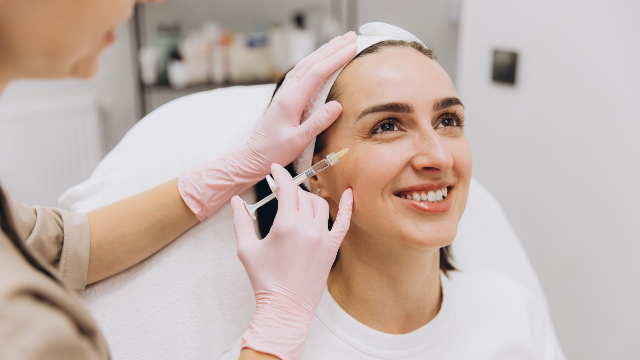
The clinic describes its Stem Cell Anti-Aging Treatments as regenerative medicine procedures "designed to support cellular renewal, improve vitality, and promote healthier aging" through personalized, non-surgical plans. It explicitly frames these treatments as "part of a broader wellness strategy and not as a substitute for healthy lifestyle habits." That framing is important: "supports cellular renewal" and "promotes healthier aging" are the clinic's own exploratory phrasing, not claims that aging is reversed or that any outcome is guaranteed. You can read the clinic's own description of its approach on its official website.
The connection between the hallmarks framework and a treatment plan, as the clinic presents it, runs through diagnostics first. Pentaheal Medical Group describes a diagnostics-first, personalized model in which treatment is selected according to each patient's clinical assessment. For its longevity programs, the clinic says it uses longevity diagnostics that may include biological age assessment and functional health evaluation where appropriate, and it describes a broader PENTA Functional Health Framework informed by experience analyzing more than 100,000 patient cases. The idea being communicated is that the biology described by the hallmarks is measured and considered on an individual basis, rather than the same protocol being applied to everyone. This describes a process; it does not establish that the process changes the trajectory of aging.
Why "part of a broader strategy" is the honest framing
The most credible way to talk about anti-aging science is to place any single intervention inside a larger picture, and that picture is dominated by ordinary, well-evidenced habits. The NIA points to a consistent set of factors that research links to healthier aging: regular physical activity, a nutritious eating pattern, adequate sleep, limiting alcohol, not smoking, staying socially connected, managing stress, and seeing a doctor regularly for screenings. These are not glamorous, but they have decades of evidence behind them, and NIA notes that even small changes can add up.
Against that backdrop, a regenerative anti-aging treatment is best understood as one possible component of a wider plan, if a physician determines it is appropriate for you, and never as a replacement for the fundamentals. Pentaheal Medical Group's own materials echo this, presenting stem cell anti-aging treatment as part of a longevity program alongside lifestyle guidance rather than as a stand-alone fix. That is consistent with the science: the hallmarks of aging are influenced by how you live, day to day, over years.
It is also worth remembering that regenerative procedures carry potential side effects. The clinic notes that, as with regenerative procedures generally, temporary fatigue, mild discomfort, or short-term reactions may occur, and that specific risks are discussed during consultation based on your individual plan. Final eligibility for any regenerative treatment is determined through a comprehensive medical evaluation. If you want to discuss whether an evaluation makes sense for you, the clinic's contact page is the place to start that conversation.
Reading anti-aging claims critically
A few habits of mind will serve you well as you evaluate any longevity offering. Notice the difference between a described mechanism and a proven result; "targets a hallmark of aging" is a mechanism, not evidence of benefit. Be wary of any language that promises reversal, a younger biological age as a certainty, or a cure. Ask what is actually measured, how, and what the realistic expectations are. Ask about risks and side effects, not just hoped-for benefits. And keep the lifestyle foundation in view, because no injection substitutes for sleep, movement, and nutrition. These questions are not adversarial; a good clinic will welcome them.
The Bottom Line
- The "Hallmarks of Aging" is a scientific framework, described in the 2013 López-Otín review in Cell, that maps biological processes of aging such as stem-cell exhaustion, cellular senescence, and mitochondrial dysfunction; it is a map for understanding, not a list of proven treatments.
- Stem cell anti-aging therapy is not proven to reverse aging and is not U.S. FDA-approved for effectiveness; the FDA warns about misleading claims for regenerative products.
- Pentaheal Medical Group cites the hallmarks framework and describes its stem cell anti-aging treatments with exploratory language, "supports cellular renewal" and "promotes healthier aging," and presents them as part of a broader wellness strategy, not a substitute for healthy habits.
- The clinic uses a diagnostics-first, personalized model with longevity diagnostics such as biological age assessment; this describes a process rather than a guaranteed outcome, and individual results vary.
- The strongest evidence for healthier aging, per the NIA, remains lifestyle: activity, nutrition, sleep, not smoking, limiting alcohol, social connection, stress management, and regular check-ups.
Frequently Asked Questions
**What are the "hallmarks of aging" in simple terms?**They are a set of interconnected biological processes that tend to change as we age, described in a widely cited 2013 review by López-Otín and colleagues. Examples include stem-cell exhaustion, cellular senescence, mitochondrial dysfunction, genomic instability, and telomere shortening. Together they form a scientific map of where aging happens in the body.
**Can stem cell anti-aging treatment reverse aging?**No. There is no proven therapy that reverses human aging, and no stem cell product is U.S. FDA-approved for that purpose. Clinics that describe treatments as "supporting" cellular renewal or "promoting" healthier aging are using exploratory language, and any claim of guaranteed reversal should be viewed with skepticism.
**Is stem cell anti-aging treatment FDA-approved?**No. The FDA states that stem cell and regenerative products generally require its approval and warns about misleading online claims. The only currently FDA-approved stem cell products are certain blood-forming cells from umbilical cord blood used for blood-system disorders, not anti-aging.
**How does Pentaheal Medical Group connect the hallmarks framework to its treatments?**The clinic states that its longevity and anti-aging programs are based on modern scientific concepts, including the Hallmarks of Aging framework and biomarker-guided care. It uses a diagnostics-first, personalized model with longevity diagnostics such as biological age assessment, selecting treatment according to each patient's clinical evaluation. This describes a process, not a promised result.
**Is regenerative anti-aging therapy safe?**Any medical procedure carries some risk. The clinic notes that temporary fatigue, mild discomfort, or short-term reactions may occur with regenerative procedures, and that specific risks are reviewed during consultation. Eligibility is determined through a comprehensive medical evaluation, and individual results vary.
**Does this replace a healthy lifestyle?**No. Both the clinic's materials and the National Institute on Aging emphasize the fundamentals of healthy aging, including physical activity, good nutrition, adequate sleep, not smoking, limiting alcohol, social connection, and regular medical check-ups. Any regenerative treatment is best viewed as one possible part of a broader strategy, not a substitute for these habits.
**What questions should I ask before considering treatment?**Ask what is actually being measured and how, what realistic expectations are, what the risks and side effects are, and what the evidence behind the specific therapy is. Be cautious of any promise of reversal or cure. A clinic that welcomes these questions is behaving the way you would want.
**Where can I read the original science?**The 2013 review "The Hallmarks of Aging" by López-Otín and colleagues, published in Cell, is available through PubMed Central. The National Institute on Aging also publishes accessible summaries of what research shows about healthy aging. Both are listed in the sources below.
This article is for general informational purposes and does not constitute individualized medical advice. Consult a qualified physician about your specific condition.
More Articles
Continue reading our clinical guides.

Korean Board-Certified Care: Safety in Functional Medicine Standards
Chronic spine, joint, and cancer-related pain affects millions of families across South Korea.
Learn More

Functional Medicine Clinic Seoul Korea | PENTAHEAL Guide
Discover Seoul Korea's top functional medicine clinic for Americans. PENTAHEAL's complete guide to autoimmune, chronic disease and longevity programs in 2026.
Learn More

Metabolic Syndrome Treatment Seoul Korea: The PENTAHEAL Protocol
Seeking metabolic syndrome treatment Seoul Korea? PENTAHEAL Medical Group offers a 1:1 metabolic reset program led by Dr. Seok Lee. Book your consult today.
Learn More