Personalized Medical Care & Dedicated International Patient Concierge


Specialty Overview
Chronic Disease & Functional Recovery
Treatment for musculoskeletal and pain disorders at Pentaheal Medical Group in Seocho District, Seoul, led by Dr. Seok Lee.
Schedule a ConsultationMusculoskeletal & Pain Disorders

Overview of Musculoskeletal & Pain Disorders
Musculoskeletal and pain disorders affect the bones, joints, muscles, ligaments, and connective tissues that support movement and posture. These conditions can significantly impact daily life, causing chronic discomfort, reduced mobility, and functional limitations.
At PENTAHEAL MEDICAL GROUP, located in the Seocho District, Seoul, musculoskeletal conditions are evaluated through a comprehensive medical approach that combines structural assessment, functional medicine principles, and individualized therapy. The clinic focuses on identifying underlying causes of pain rather than simply addressing symptoms.
The musculoskeletal care program is led by physician Dr. Seok Lee, who oversee patient evaluations and coordinate treatment plans tailored to each patient’s condition. By integrating diagnostic examinations, manual therapy, and supportive medical treatments, the clinic aims to improve mobility, reduce pain, and support long-term musculoskeletal health.
Understanding Musculoskeletal Pain
Musculoskeletal pain can arise from a variety of causes. These may include structural imbalances, joint dysfunction, repetitive strain injuries, or muscle and fascia tension. Poor posture, prolonged sitting, sports injuries, and degenerative conditions can also contribute to chronic pain.
In many cases, musculoskeletal disorders are interconnected with other physiological systems. For example, posture imbalance may lead to chronic neck pain, which can then contribute to headaches or nerve compression. Similarly, muscle tension and joint instability can create persistent discomfort that interferes with normal movement.
At PENTAHEAL MEDICAL GROUP, evaluation of musculoskeletal conditions includes a detailed assessment of posture, structural alignment, and functional movement patterns. This helps physician determine the underlying cause of pain and recommend appropriate treatment strategies.
Conditions Treated

The musculoskeletal care program addresses a wide range of conditions affecting the spine, joints, muscles, and connective tissues.
Spine and Postural Disorders
Spinal health plays a central role in maintaining overall body balance and movement. Structural misalignment or muscle tension can place excessive strain on the spine, leading to pain and reduced mobility.
Conditions addressed include:
Spinal pain
Cervical disc disorders
Lumbar disc disorders
Forward head posture
Military neck syndrome
Postural imbalance
These conditions may develop gradually due to prolonged sitting, repetitive movements, or poor ergonomic habits.
Shoulder and Upper Limb Disorders
The shoulder joint is one of the most mobile joints in the body and is therefore susceptible to injury and overuse.
Conditions affecting the shoulder and upper limbs may include:
Frozen shoulder
Rotator cuff injury
Carpal tunnel syndrome
Tennis elbow
Golf elbow
These disorders can cause pain, weakness, and limited range of motion, affecting both daily activities and physical performance.
Lower Limb Disorders
Lower limb conditions can interfere with walking, standing, and weight-bearing activities.
Examples include:
Sprained ankle
Plantar fasciitis
Hallux valgus (bunions)
Proper diagnosis and treatment can help reduce discomfort and restore functional movement.
Muscle and Fascia Disorders
Muscles and connective tissues play a key role in maintaining stability and supporting movement. When these tissues become tight, inflamed, or injured, chronic pain can develop.
Common conditions include:
Myofascial pain syndrome
Chronic muscle tension
Joint mobility disorders
Sports-related musculoskeletal injuries
Treatment often focuses on restoring muscle balance and relieving tension within the fascia.
Diagnostic Evaluation and Assessment
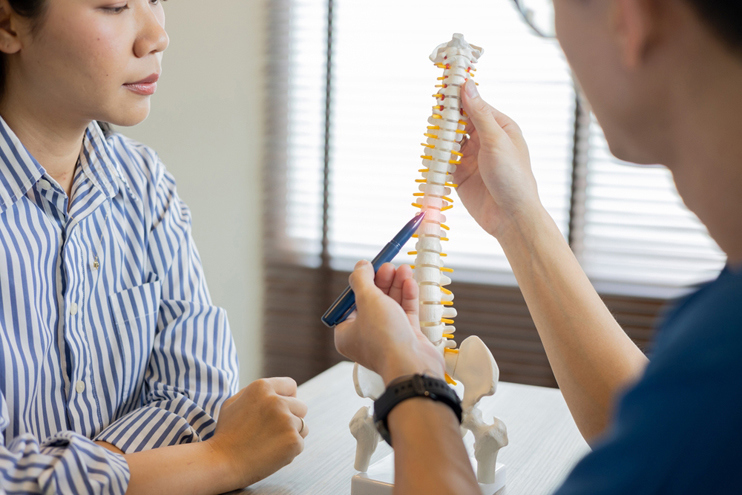
Accurate diagnosis is essential for effective treatment of musculoskeletal disorders. At PENTAHEAL MEDICAL GROUP, evaluation may include a combination of physical examination and diagnostic testing.
Structural and Postural Assessment
Physician assess the alignment of the spine and joints to determine whether structural imbalances contribute to pain. Posture analysis may reveal patterns such as forward head posture or uneven pelvic alignment.
Imaging and Diagnostic Tests
Additional diagnostic tools may be used to evaluate musculoskeletal conditions, including:
X-ray imaging for spinal alignment and joint structure
Bone density testing (BMD)
Functional movement assessment
These evaluations provide important information about the patient’s structural condition and help guide treatment planning.
Treatment Approaches
Treatment for musculoskeletal disorders at PENTAHEAL MEDICAL GROUP focuses on restoring structural balance, relieving pain, and improving functional movement.
Manual Therapy
Manual therapy is one of the core treatment methods used to address musculoskeletal pain. Trained therapists use specialized techniques to correct imbalances in the spine, joints, muscles, and fascia.
This therapy may help:
reduce muscle tension
improve joint mobility
restore structural balance
alleviate chronic pain
Manual therapy is often performed in personalized sessions tailored to the patient’s condition.
Injection Therapy
Injection therapy may be used to address persistent pain that does not respond to conservative treatments. This treatment targets molecular factors involved in chronic pain and inflammation.
The goal of injection therapy is to restore physiological balance within the affected tissues and support recovery.
Antioxidant IV Therapy
Certain chronic musculoskeletal conditions may be associated with metabolic imbalance or oxidative stress. Antioxidant IV therapy delivers nutrients directly into the bloodstream to support cellular recovery and metabolic function.
This therapy may be recommended for patients experiencing chronic fatigue, inflammatory conditions, or metabolic dysfunction associated with pain.
Functional Medicine Support
Because musculoskeletal health is influenced by metabolic and nutritional factors, treatment plans may include elements of Internal & Functional Medicine.
Functional health testing can help identify underlying factors such as:
nutritional deficiencies
hormonal imbalance
metabolic dysfunction
Addressing these factors can support the body’s natural recovery processes and contribute to long-term pain management.
Medical Approach at Pentaheal Medical Group

The musculoskeletal care program follows a structured clinical process designed to provide individualized care.
Step 1: Medical Consultation
Patients begin with a consultation with a physician, Dr. Seok Lee. During this visit, the doctor reviews medical history, symptoms, and lifestyle factors that may contribute to musculoskeletal pain.
Step 2: Diagnostic Evaluation
Based on the consultation, physician may recommend diagnostic tests or imaging to assess structural alignment and functional movement.
Step 3: Personalized Treatment Plan
After reviewing the evaluation results, the medical team develops a treatment plan tailored to the patient’s condition. This plan may include manual therapy, injection therapy, or supportive treatments.
Step 4: Rehabilitation and Monitoring
Patients receive ongoing monitoring and therapy sessions to track progress and adjust treatment as necessary.
Role of the Physician
Physician play a key role in coordinating care for musculoskeletal conditions at PENTAHEAL MEDICAL GROUP.
Dr. Seok Lee
Dr. Seok Lee participates in the diagnosis and management of musculoskeletal conditions, conducting consultations and reviewing diagnostic findings to determine appropriate treatment strategies.
Working with therapists and medical staff, the physician provide coordinated care aimed at improving mobility and reducing pain.
Safety Standards and Patient Care
Patient safety is an essential priority during musculoskeletal treatment. All diagnostic procedures and therapies are performed under medical supervision.
Safety measures include:
individualized evaluation before treatment
careful monitoring during therapy
treatment adjustments based on patient response
clear communication between physician and patients
These measures help ensure that treatments are both safe and appropriate for each patient’s condition.
Recovery and Long-Term Musculoskeletal Care

Recovery from musculoskeletal disorders often requires ongoing care and lifestyle adjustments. At PENTAHEAL MEDICAL GROUP, patients receive follow-up consultations to monitor progress and support long-term recovery.
Follow-up care may include:
additional therapy sessions
posture and movement guidance
lifestyle recommendations for injury prevention
By addressing structural imbalances and supporting healthy movement patterns, the clinic aims to help patients maintain long-term musculoskeletal health.
Musculoskeletal Care in Seocho District, Seoul
Located in the Seocho District, Seoul, PENTAHEAL MEDICAL GROUP offers musculoskeletal evaluation and treatment designed to restore mobility and reduce pain through a comprehensive medical approach.
Under the guidance of physician Dr. Seok Lee, the clinic integrates diagnostic assessment, manual therapy, and functional medicine principles to address the underlying causes of musculoskeletal disorders.
This patient-centered approach supports both recovery from pain and the prevention of future musculoskeletal problems.
Related Services
Procedures available within our clinical departments.

Anti-aging IV Therapy
Revitalize your body with Anti-Aging IV Therapy—nutrient-rich infusions designed to support cellular repair, boost energy, and promote healthier, more vibrant aging. Learn more.
Learn More

Cancer Prevention & Support
Learn about cancer prevention & support through integrative and functional medicine. Discover personalized strategies to strengthen immunity and support long-term health. Learn more.
Learn More

Spine Pain Treatment
Relieve spine pain with advanced treatment options—target root causes, improve mobility, and restore comfort with expert care. Learn more today!
Learn More